Kilimanjaro Weather Guide
Climate zones, temperatures, rainfall patterns, and what to expect at every altitude
Climate zones, temperatures, rainfall patterns, and what to expect at every altitude
Kilimanjaro weather is not one thing—it's five distinct climate zones stacked vertically from base to summit. In a single week, you'll trek from tropical rainforest at 30°C to arctic summit conditions at -20°C. Understanding what to expect at each altitude, in each season, is critical for packing correctly and summiting successfully.
This guide gives you the specific temperature ranges, rainfall patterns, and climate data we've tracked over 20+ years of guiding on Kilimanjaro. No vague "it gets cold." You'll know exactly how cold, when, and what to bring.
Here's what you need to know upfront:
Mount Kilimanjaro sits just 3 degrees south of the equator, giving it a tropical location but high-altitude extremes. The mountain creates its own weather patterns—clouds form daily on the southern slopes as moist air rises and cools. By mid-afternoon, the rainforest and moorland zones are often shrouded in fog and drizzle. Above 4,500m, you're above most cloud cover, experiencing intense sun during the day and brutal cold at night.
The key to successful summit attempts? Choose your climbing season wisely, pack for all five zones, and trust your guides when they read weather patterns.
Kilimanjaro is unique among the world's high mountains—you can start in shorts and end in expedition-grade down gear. Each zone has distinct weather, vegetation, and challenges.
Temperature range: 20-30°C (68-86°F) year-round
Rainfall: 1,000-1,800mm annually, mostly during rainy seasons
Vegetation: Coffee plantations, banana groves, maize fields
What to expect: This is the farmland surrounding Kilimanjaro. Warm, humid, and lush. You'll drive through this zone to reach trailheads. Locals live and farm here—villages like Moshi and Marangu thrive in this fertile volcanic soil.
Weather notes: Even during dry season, this zone can feel sticky and hot. Mornings are pleasant (22-25°C), but by midday temperatures climb. Pack light, breathable clothing for this zone—you won't spend much time here, but the contrast when you arrive is striking after descending from the frozen summit.
Temperature range: 15-20°C (59-68°F) during the day, 10-15°C (50-59°F) at night
Rainfall: 2,000mm+ annually, frequent afternoon showers
Vegetation: Dense cloud forest, giant ferns, moss-covered trees, colobus monkeys
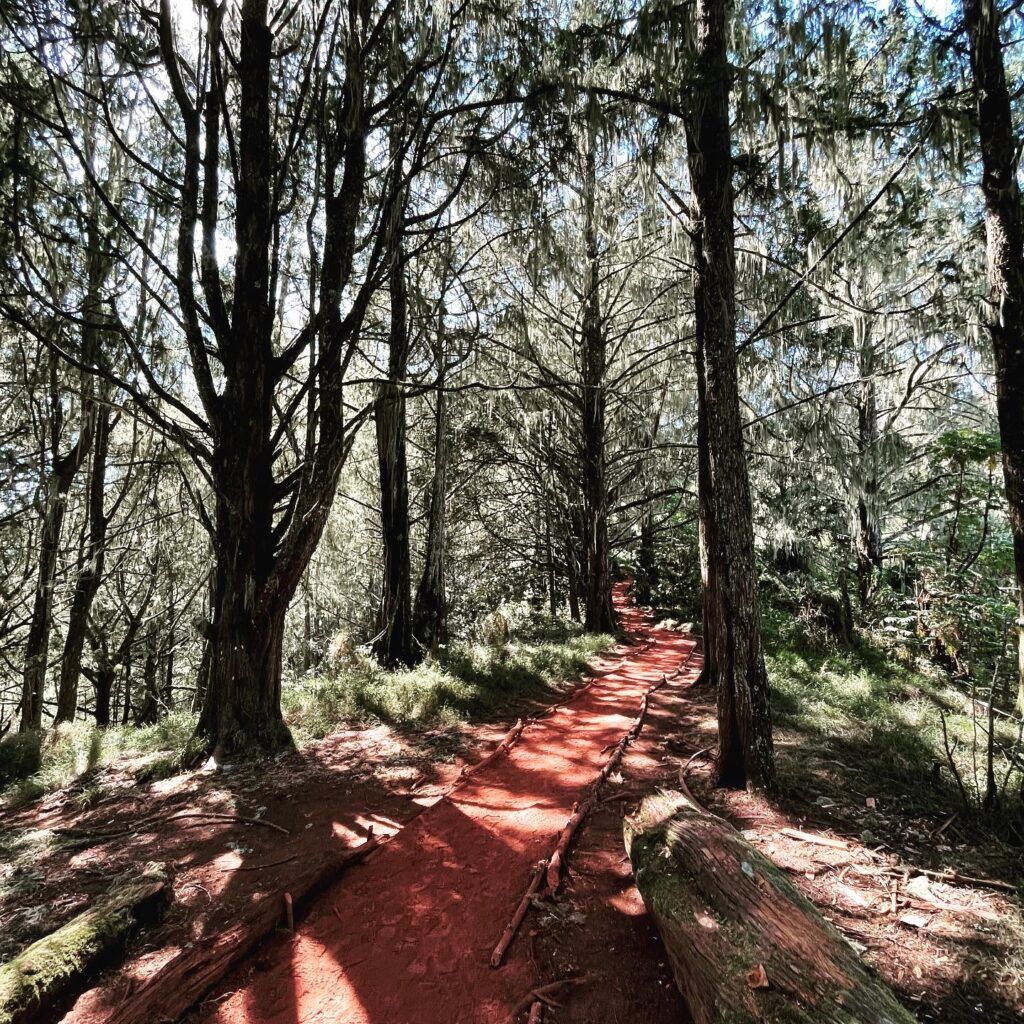
What to expect: This is where most routes begin. The trail is muddy, humid, and green—so green it feels prehistoric. Tree canopy blocks direct sun, creating diffuse light. Rainfall is common even during dry seasons. Expect to hear rain on the tent at night.
Weather notes: The rainforest zone generates its own weather. Warm, moist air rises from the plains below, cools as it climbs, and condenses into clouds and rain. Afternoons often bring drizzle. Mornings are usually drier. This is the wettest zone on the entire mountain. Waterproof your gear—rain jackets, pack covers, and gaiters are essential. The good news: you're only in this zone for 1-2 days before climbing above it.
Temperature range: 5-15°C (41-59°F) during the day, 0-5°C (32-41°F) at night
Rainfall: 500-1,000mm annually, occasional showers
Vegetation: Giant heathers, lobelias, groundsels, volcanic rock outcrops
What to expect: The forest opens into expansive moorland. Views stretch for kilometers. The landscape feels otherworldly—alien plants adapted to high altitude, volcanic boulders, and sweeping vistas. Days are sunny and warm (if you're in the sun), but shade and wind drop temps fast. Nights are cold—frost forms on tents above 3,500m.
Weather notes: This zone sees dramatic daily temperature swings. Midday sun at 3,500m can feel hot—UV intensity is 30-40% higher than sea level, and there's no shade. But step into shadow or wait for the sun to drop, and you'll feel the cold immediately. Wind picks up in the afternoons. By evening, you'll need a fleece, hat, and gloves at camp. This is where most climbers realize altitude is real—thin air, cold nights, and the first signs of fatigue.
Temperature range: 0-10°C (32-50°F) during the day, -10°C to -5°C (14-23°F) at night
Rainfall: Minimal—less than 200mm annually, mostly as snow
Vegetation: None. Barren volcanic rock, scree, dust
What to expect: The alpine desert is a moonscape. No plants, no animals, no water. Just rock, dust, and thin air. Oxygen levels drop to 60% of sea level. The sun is relentless—UV burns skin and lips within minutes without protection. At night, temperatures plummet. Barafu Camp (4,670m) and similar high camps sit in this zone.
Weather notes: Extreme temperature swings define the alpine desert. Daytime feels warm if you're in full sun—jackets come off, sunscreen goes on. But the moment the sun dips behind the mountain (around 5-6pm), temperature drops 10-15°C within an hour. Nights are brutally cold. Water freezes in bottles. Tent condensation turns to ice. Wind accelerates heat loss. This is where proper gear matters—insulated jackets, warm sleeping bags, and layering systems keep you functional. You'll spend 12-18 hours in this zone before summit attempts begin.
Temperature range: -20°C to -10°C (-4°F to 14°F) during summit night
Rainfall: Almost zero. Occasional snow flurries
Vegetation: Zero. Only ice, glaciers, and volcanic rock
What to expect: The summit zone is the hardest environment on Kilimanjaro. Oxygen is 50% of sea level. Temperatures stay below freezing 24/7. Wind gusts reach 30-50 km/h. Kilimanjaro's remaining glaciers—massive ice formations—loom above you. Summit night starts around midnight and lasts 6-8 hours in total darkness and cold.
Weather notes: Summit night weather feels colder than the thermometer reads. Wind chill can drop the feels-like temperature to -30°C (-22°F). Your body is burning calories just to stay warm, altitude slows your thinking, and darkness amplifies the cold. Climbers describe summit night as "colder than a household freezer" (freezers run at -18°C). Gear failures here are catastrophic—frozen water bottles, numb fingers, frostbitten toes. This is why we insist on expedition-grade gear for summit attempts. Once you reach Uhuru Peak (5,895m), the sunrise and views make it worth it—but only if you're warm enough to function.
Here's a practical breakdown of what temperatures you'll actually experience at each altitude, based on 20+ years of guiding data:
| Altitude | Day Temp | Night Temp | Feels Like (Wind Chill) |
|---|---|---|---|
| 1,800m (Rainforest Start) | 18-22°C (64-72°F) | 12-15°C (54-59°F) | Warm & humid |
| 2,800m (Shira Plateau) | 10-15°C (50-59°F) | 5-8°C (41-46°F) | Cool, breezy |
| 3,850m (Barranco Camp) | 5-10°C (41-50°F) | 0-5°C (32-41°F) | Cold at night, frost common |
| 4,670m (Barafu Camp) | 0-5°C (32-41°F) | -10 to -5°C (14-23°F) | -15°C with wind |
| 5,300m (Stella Point) | -15 to -10°C (5-14°F) | -20 to -15°C (-4 to 5°F) | -25°C with wind |
| 5,895m (Uhuru Peak) | -15 to -10°C (5-14°F) | -25 to -15°C (-13 to 5°F) | -30°C with wind chill |
Key takeaway: For every 1,000m you climb, temperature drops approximately 6-7°C. This is the atmospheric lapse rate. On Kilimanjaro, you're climbing nearly 4,000m from typical trailheads to the summit—that's a 24-28°C temperature drop.
Kilimanjaro's location near the equator creates two rainy seasons per year. Understanding these patterns helps you choose the best climbing window.
The Long Rains: April - May
April and May are the wettest months. Heavy rain falls almost daily in the rainforest and moorland zones. Trails turn to mud, river crossings swell, and visibility drops. Above 4,500m, rain becomes snow—summit attempts happen in whiteout conditions. Success rates fall to 60-70% due to weather-related turnbacks.
Why the long rains happen: The Intertropical Convergence Zone (ITCZ)—a belt of low pressure near the equator—shifts south in April-May, bringing moisture from the Indian Ocean. Moist air hits Kilimanjaro's southern slopes, rises, cools, and dumps rain.
Should you climb during long rains? Only if you're on a tight budget and comfortable with mud, clouds, and potentially not seeing the summit even if you reach it. Prices drop 20-30% during this period because demand is low.
The Short Rains: November - Mid-December
The short rains are less intense than April-May but still bring afternoon showers to lower zones. November averages 10-15 rainy days. Early December sees conditions improve rapidly. By mid-December, weather transitions into the dry season.
Why the short rains happen: The ITCZ shifts south again (less dramatically than April), bringing another pulse of moisture. It's shorter-lived and less saturating than the long rains.
Should you climb during short rains? Late November into early December can be good value—prices are lower (10-20% off), crowds are thin, and conditions often clear up by mid-trek. If you're flexible with dates, this can work.
The Dry Seasons: January-March & June-October
These are prime climbing windows. Rainfall is minimal (mostly isolated afternoon showers in the rainforest), skies are clear above 3,500m, and trails are dry. Summit success rates reach 85-95% on longer routes during dry seasons.
Monthly rainfall breakdown (average mm):
| Month | Rainfall (mm) | Rainy Days | Season |
|---|---|---|---|
| January | 40mm | 3-5 days | Short Dry |
| February | 50mm | 3-6 days | Short Dry |
| March | 90mm | 7-9 days | Transition |
| April | 300mm | 18-22 days | Long Rains |
| May | 200mm | 14-18 days | Long Rains |
| June | 30mm | 2-4 days | Long Dry |
| July | 20mm | 1-3 days | Long Dry |
| August | 25mm | 2-3 days | Long Dry |
| September | 30mm | 3-5 days | Long Dry |
| October | 60mm | 5-8 days | Transition |
| November | 150mm | 10-15 days | Short Rains |
| December | 80mm | 6-9 days | Transition |
Important note: These figures reflect conditions in the rainforest and moorland zones (1,800m-4,000m). The alpine desert and summit zones (above 4,500m) receive far less precipitation—mostly as snow during rainy seasons.
Here's a month-by-month breakdown with temperature ranges, rain probability, wind conditions, and climbing recommendations:
| Month | Temp Range | Rain | Wind | Conditions Summary |
|---|---|---|---|---|
| January | -25°C to 20°C | Low | Moderate | Coldest summit temps, crystal clear skies, excellent visibility. Best for experienced climbers. |
| February | -20°C to 22°C | Low | Moderate | Similar to January but slightly warmer. Peak dry season. Crowded. |
| March | -15°C to 25°C | Increasing | Moderate | Transition month. Early March is great; late March sees rain return. Gamble on dates. |
| April | -10°C to 20°C | Very High | Low | Wettest month. Mud, clouds, low visibility. Only climb if budget-constrained. |
| May | -10°C to 18°C | High | Low | Still wet but improving by late May. Fewer crowds, cheaper prices, muddy trails. |
| June | -15°C to 20°C | Low | Moderate | Start of long dry season. Excellent conditions, crowds return, trails dry out. |
| July | -15°C to 22°C | Very Low | Moderate-High | Peak season. Dry, clear, crowded. Book months in advance. Highest success rates. |
| August | -15°C to 22°C | Very Low | Moderate-High | Continuation of July. Stable weather, busy camps. Wind picks up at altitude. |
| September | -10°C to 25°C | Very Low | Moderate | Warmer than July-Aug. Thinner crowds. Excellent weather. Ideal month. |
| October | -10°C to 25°C | Low-Moderate | Low | Late dry season. Early October is great; late October sees clouds. Still good climbing. |
| November | -10°C to 22°C | Moderate | Low | Short rains arrive. Afternoon showers below 4,000m. Lower prices. Hit-or-miss. |
| December | -15°C to 25°C | Decreasing | Moderate | Short rains end by mid-Dec. Late Dec is excellent. Festive summit climbs popular. |
Best months to climb: January-February (coldest but clearest) and July-September (warm, dry, and stable).
Worst months to climb: April-May (long rains) and November (short rains). Only climb during rainy seasons if you accept mud, clouds, and lower summit odds.
Summit night is the single hardest weather experience on Kilimanjaro. Here's what it's actually like:
The temperature: Thermometers read -15°C to -20°C (-4°F to 5°F). But wind chill—caused by 20-40 km/h gusts—drops the feels-like temperature to -25°C to -30°C (-13°F to -22°F). For context, a household freezer runs at -18°C. Summit night is colder than that.
The darkness: You start around midnight. Pitch black. Your headlamp beam bounces off scree and shows the climber ahead of you. Stars are brilliant—Kilimanjaro's altitude and clear skies create some of the best stargazing on Earth. But you're too cold and oxygen-deprived to appreciate it fully.
The wind: Above 5,200m, wind accelerates. It cuts through layers, saps warmth, and amplifies the cold. Wind also makes you feel more unstable—gusts can push you off balance on steep sections. We time summit attempts to avoid the worst wind windows (usually late morning to afternoon), but wind is always present at the summit.
The thin air: At 5,895m, atmospheric pressure is roughly 50% of sea level. Every breath delivers half the oxygen your body needs. Your lungs work overtime. Breathing is labored—three breaths per step is normal. The combination of cold, thin air, and exertion creates a sensation unlike anything else. Climbers describe it as "breathing through a straw while climbing stairs in a freezer."
The sensation: Your fingers and toes go numb. Hand warmers help but don't eliminate it. Your face feels frozen—balaclavas and buffs protect skin but feel stiff. Water bottles freeze solid even inside packs. Snacks turn rock-hard. Energy gel packets need to be kept inside your jacket to stay squeezable.
Why it's worth it: Sunrise at 5,700m. The sky shifts from black to deep blue to orange. Glaciers glow pink. Below you, clouds form a sea stretching to the horizon. You reach Uhuru Peak—the Roof of Africa—and realize you're standing higher than any point on the continent. The summit sign, the views, the exhaustion, and the pride all hit at once. That moment makes the cold worth it.
Survival tips for summit night:
Kilimanjaro has seven main routes, and weather varies by approach direction:
Weather characteristics: Wetter on ascent. The western slopes face prevailing winds from the Indian Ocean, so moisture-laden air hits these routes first. The rainforest zone is lush and rainy. Above 3,500m, conditions dry out.
Advantage: You climb through the wet zone quickly (day 1-2), then enjoy drier conditions for the majority of the trek.
Disadvantage: First two days can be muddy even during dry season. Pack gaiters and waterproof boots.
Weather characteristics: The northern side is drier and receives less rain overall. After climbing through the initial rainforest, the Northern Circuit traverses around Kilimanjaro's northern slopes—arid, exposed, and sunny.
Advantage: Driest route on the mountain. Less rain, more sun. Ideal if you hate mud.
Disadvantage: More sun exposure means higher UV risk. Sunscreen and glacier glasses are mandatory.
Weather characteristics: Rongai starts on the drier northern/eastern side. Less rainforest, more open terrain. Receives less precipitation than western routes.
Advantage: Good choice during rainy seasons (April-May, November) if you want to avoid the worst mud.
Disadvantage: Less scenic vegetation (fewer giant lobelias and heathers). More gradual ascent profile but similar summit weather.
Weather characteristics: Marangu is the only route with hut accommodation. This is a huge weather advantage—you sleep in bunk beds inside wooden huts instead of tents. Rain, wind, and cold don't affect your sleep quality as much.
Advantage: Huts provide shelter from rain and wind. You stay drier and warmer at camps.
Disadvantage: Still experience full weather exposure during the trek and summit night. Marangu's short itinerary (5-6 days) means poor acclimatization, which hurts success rates more than weather helps.
Bottom line: Route choice matters, but all routes converge at high altitude. Summit weather is the same for everyone. Choose a route based on acclimatization profile first, scenery second, weather third. Longer routes (8-9 days) give you more time to adapt, which is more important than avoiding rain on day 1.
Compare routes and acclimatization profiles on our route comparison page.
Can you check the weather before climbing? Yes. Is it reliable? Sort of.
Where to check Kilimanjaro weather:
How accurate are forecasts? Mountain weather is notoriously hard to predict. Forecasts 1-3 days out are reasonably accurate. Beyond that, reliability drops. Kilimanjaro creates its own microclimates—clouds form on southern slopes regardless of broader weather patterns.
Should you trust apps over your guides? No. Your guides have summited hundreds of times. They read cloud formations, wind shifts, and temperature trends better than any app. If Mountain-Forecast.com says "clear skies" but your guide sees storm clouds building, trust your guide.
When to check forecasts: Start checking 5-7 days before your climb. Look for trends, not specific daily predictions. If the 10-day forecast shows consistent dry conditions, you're likely in good shape. If it shows rain across multiple days, prepare mentally for mud and clouds.
What to do if forecasts look bad: Don't panic. Weather changes fast. A grim forecast can turn into bluebird summit conditions. Pack for the worst, hope for the best. Trust your guides to make the call on summit day—they'll assess conditions in real time, not based on a forecast from 3 days prior.
Packing for Kilimanjaro means packing for five climates. Here's the layering system that works:
What to bring: 2-3 long-sleeve tops and 2 bottoms made of merino wool or synthetic fabric (polyester or nylon).
Why it matters: Base layers sit against your skin. They wick sweat away, keeping you dry. Cotton absorbs moisture and stays wet—this saps body heat. At altitude, wet base layers can cause hypothermia.
When you wear it: Every day, all day. You'll live in your base layers from trailhead to summit.
What to bring: Fleece jacket or lightweight down jacket (100-200g insulation).
Why it matters: Mid layers trap warm air next to your body. Fleece breathes well and works even when damp. Lightweight down is warmer per ounce but loses insulation if wet.
When you wear it: At camp above 3,000m. During breaks. Evenings. When the sun drops and temps fall.
What to bring: Heavy down or synthetic puffy jacket. Rated to -10°C minimum. More insulation (300-500g down fill) is better for summit night.
Why it matters: This is your "don't die" layer. You wear it from Barafu Camp onward. Summit night requires maximum warmth—thin puffy jackets won't cut it.
When you wear it: High camps (4,500m+) and summit night. You'll put it on around 5pm at Barafu and won't take it off until you descend the next day.
What to bring: Waterproof, windproof jacket and pants. Gore-Tex or similar membranes. Sealed seams, adjustable hoods, pit zips for ventilation.
Why it matters: Shell layers block wind and rain. On summit night, wind is constant—your shell keeps the windchill from penetrating your insulation. In the rainforest, your shell keeps you dry.
When you wear it: Rain in lower zones (day 1-3). Wind at high altitude (day 5-7). Summit night (over everything).
Hands: Bring liner gloves (thin, for daytime) and insulated gloves or mittens (for summit). Mittens are warmer than gloves. Add hand warmers for summit night.
Feet: Insulated, waterproof boots rated to -10°C. Bring 4-5 pairs of wool or synthetic socks. Change socks daily to prevent blisters. Wet socks = cold feet = misery.
Head: Warm beanie (for camp and summit), sun hat with brim (for daytime sun protection), buff or neck gaiter (versatile—wear as headband, face cover, or neck warmer), optional balaclava for summit night (full face coverage in extreme cold).
See our complete Kilimanjaro packing list for detailed gear recommendations and links to tested products.
The summit zone (5,000m-5,895m) experiences temperatures between -20°C and -10°C (-4°F to 14°F) during summit night. Wind chill can drop the feels-like temperature to -30°C (-22°F). The coldest months are January and February. At night in the alpine desert zone (4,000m-5,000m), temperatures regularly fall to -10°C to -5°C (14°F to 23°F). Proper layering and a -15°C rated sleeping bag are essential for summit attempts.
Yes, especially in the rainforest and moorland zones (1,800m-4,000m). Kilimanjaro has two rainy seasons: the long rains (April-May) bring heavy downpours and muddy trails, while the short rains (November-December) are milder. Even during dry seasons (January-March, June-October), the rainforest zone can receive afternoon showers. Above 4,500m, precipitation typically falls as snow rather than rain. The alpine desert and summit zones are very dry year-round.
January-February and July-September offer the best weather. January-February features clear skies, excellent summit visibility, and stable conditions, though it's colder (summit temps reach -25°C). July-September is warmer, drier, and the most popular climbing season with 80%+ clear sky days. Both periods fall within dry seasons, minimizing rain and maximizing success rates. Avoid April-May (long rains) and late November (short rains) unless you're comfortable with mud and clouds.
Kilimanjaro has five distinct climate zones. The cultivation zone (800m-1,800m) is warm and tropical (20-25°C). The rainforest zone (1,800m-2,800m) is humid with frequent rain (15-20°C). The heath/moorland (2,800m-4,000m) is cooler with strong sun (5-15°C daytime, 0-5°C night). The alpine desert (4,000m-5,000m) features extreme swings: 0-10°C during day, -10°C to -5°C at night. The arctic summit zone (5,000m-5,895m) is brutally cold with temperatures from -20°C to -10°C and wind chill to -30°C.
Yes, but mountain weather forecasts are only moderately reliable. Sites like Mountain-Forecast.com and Weather.com provide altitude-specific predictions for Kilimanjaro. However, conditions change rapidly—clear forecasts can turn cloudy, and vice versa. Your guides monitor weather patterns daily and have decades of experience reading local conditions. Trust their judgment over apps. The best strategy is choosing a longer route (8-9 days) during dry season months (Jan-Mar, Jun-Oct) to maximize your odds of good summit weather.
Use a layering system: moisture-wicking base layers (merino wool or synthetic), mid-layer fleece, insulated down jacket (-10°C rated minimum), and waterproof shell jacket and pants. For extremities: insulated gloves or mittens, liner gloves, warm hat, sun hat, balaclava, and 4-5 pairs of wool socks. Essential gear includes waterproof boots rated to -10°C, glacier sunglasses, SPF 50+ sunscreen, insulated water bottles, headlamp with extra batteries, and a -10°C to -15°C sleeping bag. Pack for five climates: tropical heat, rain, sun, alpine cold, and arctic summit conditions.
You now understand Kilimanjaro weather better than most climbers who show up unprepared. You know the five climate zones, the temperature ranges, the rainy seasons, and exactly what summit night feels like. You know what to pack and when to climb.
Our guides have summited in every season, in every weather condition. We'll make sure you're prepared, equipped, and supported every step of the way. Whether you're targeting the clear skies of January or the warm temps of September, we'll help you choose the best route and dates for your experience level.
Questions about weather, gear, or the best time to climb for your schedule? Message us. We'll send personalized recommendations based on your dates and route choice.
Let's discuss the best timing, route, and gear for your Kilimanjaro summit. Expert advice, transparent pricing, ethical guiding.
Get Your Free Consultation